School Anxiety and Refusal: How can parents help?
Let's All Talk Mental Health
01:03:15
School Anxiety and Refusal: How Can Parents Help?
Across the UK, increasing numbers of young people are struggling to attend school. For some families this looks like occasional reluctance, while for others it can become prolonged absence driven by anxiety, overwhelm or a feeling of disconnection from school life.
Emotionally Based School Avoidance (EBSA) is not rebellion or laziness. Often it reflects a young person feeling unable to cope with the demands of school, whether that relates to anxiety, social pressures, bullying, academic expectations, or underlying neurodiversity. Many of these young people are capable and bright, yet the emotional load of school can feel too much.
For parents this can be incredibly difficulty. Families may find themselves caught between trying to encourage attendance, supporting their child’s anxiety, and working with schools to find a way forward.
In this session we will talk about why why school avoidance happens, why it is becoming more common, and what parents can do to support their teenager while working alongside schools. We’ll discuss practical ways to reduce pressure, rebuild confidence and connection, and help young people feel more able to engage with education again.
Speaker

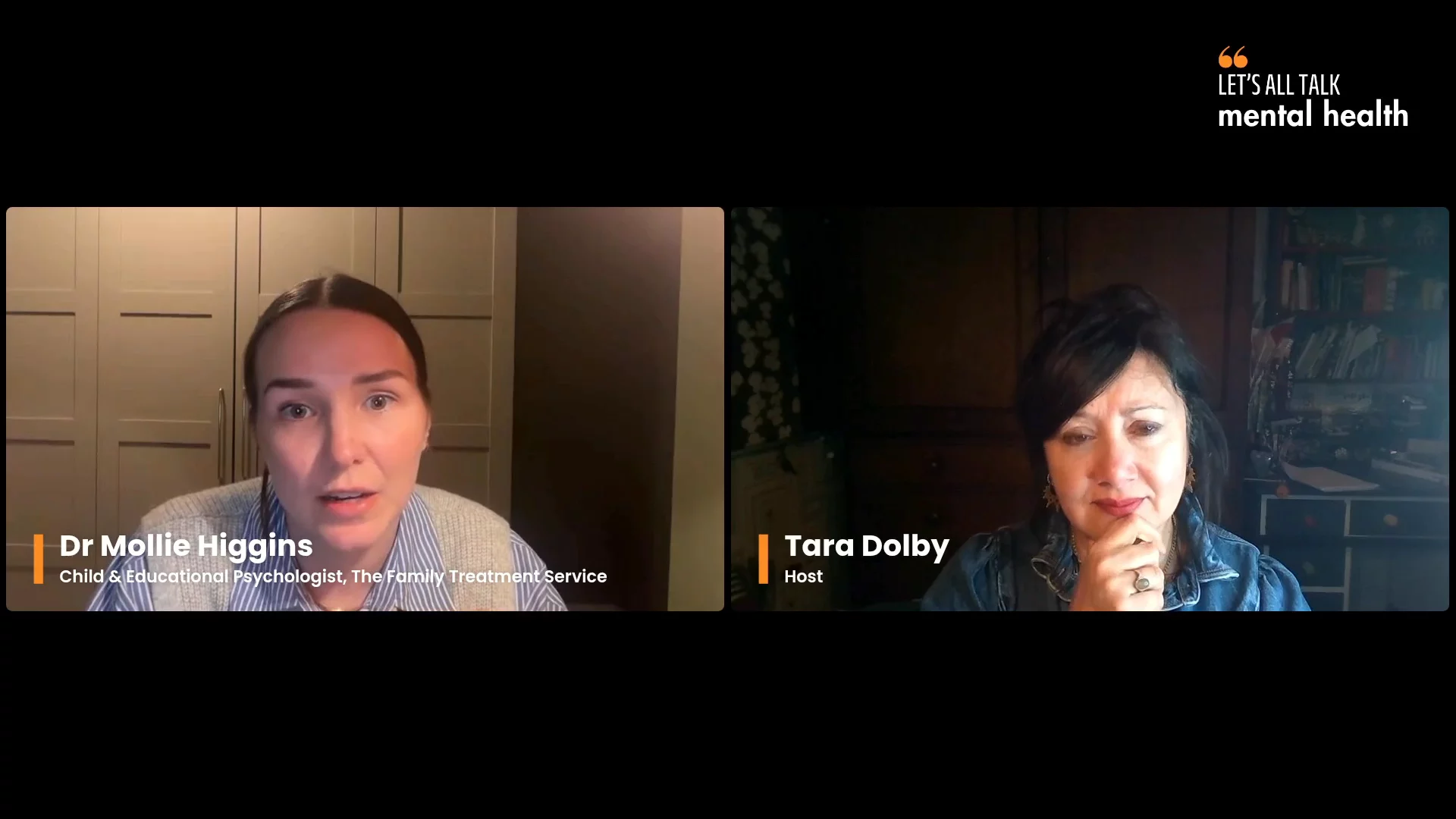
Mollie Higgins
Dr
Mollie is a HCPC registered Child and Educational Psychologist and has worked in a range of schools as well as working in CAMHS and Local Authorities. Mollie supports children and young people with a range of needs including learning needs, social, emotional and mental health needs and neurodevelopmental conditions. Mollie has undertaken research with autistic young people who struggle to attend school and is passionate about participatory approaches that ensure the voices of young people are heard. Mollie is skilled in supporting individuals with social communication differences such as autism, using a neurodiversity-affirming approach and provides support around understanding their diagnosis, exploring thinking patterns and identifying their unique profile of strengths and needs.

Replays
See all
School Anxiety and Refusal: How can parents help?
01:03:15