
Reggio Emilia: Intention behind the beauty
Mana
01:03:47
Beyond the light tables and natural materials lies a powerful philosophy of childhood. In this session we go deeper into the Reggio Emilia approach, exploring its post-war origins, the revolutionary image of child, and what it means to co-construct knowledge with young learners.
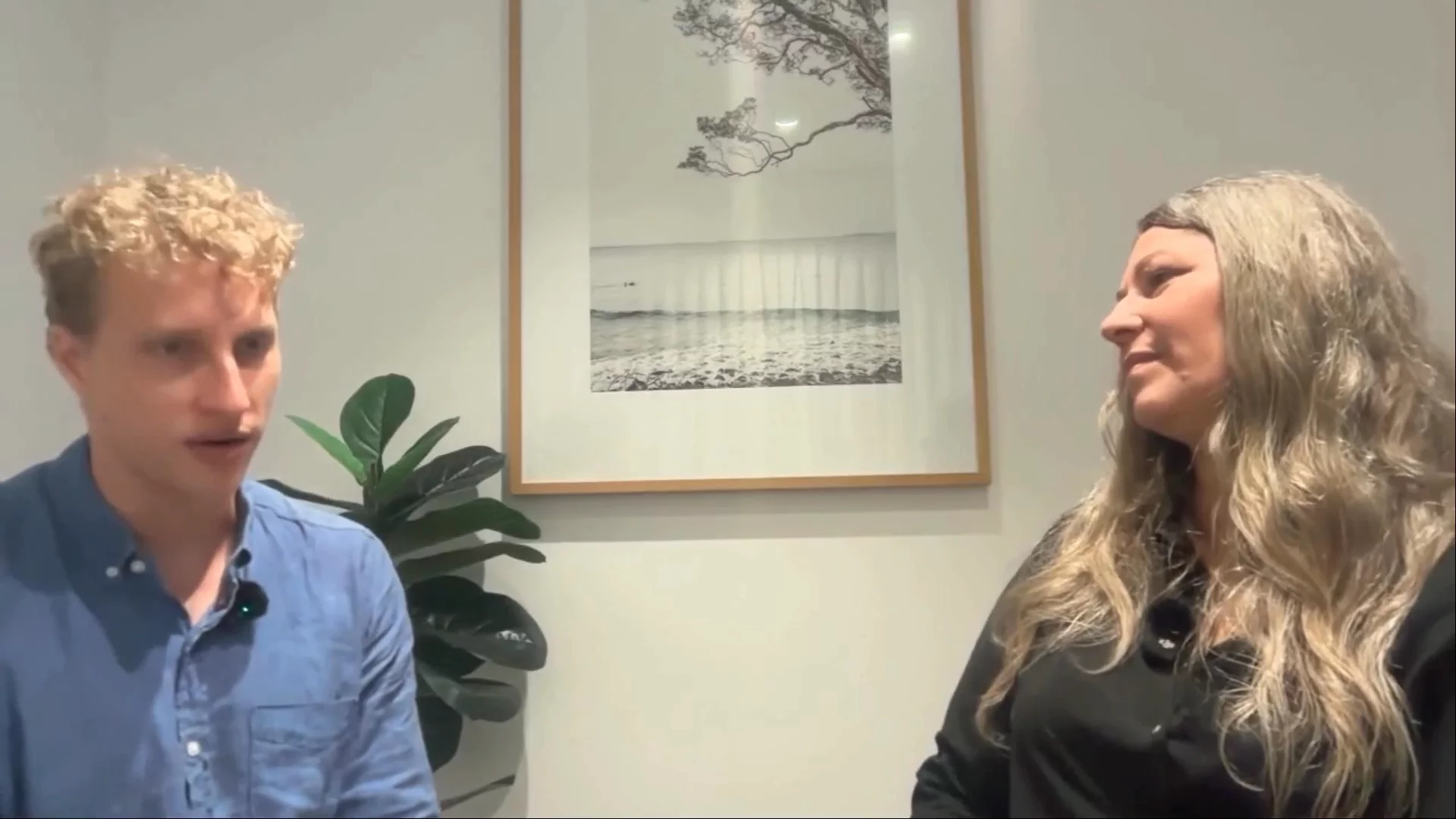
Karina Windolf from Mother Duck joins Hayden Rolls, Head of Partnerships at Mana, to unpack common misconceptions about the approach, because Reggio is far more than beautiful environments. Together they explore how these principles can be authentically embedded in everyday practice and how they strongly align with Australia’s Early Years Learning Framework and the National Quality Standard.
The conversation highlights how key ideas such as image of child, relationships, environments as a partner in learning and collaborative inquiry naturally support the intent of the EYLF and the expectations of the NQS. When understood deeply, these principles strengthen reflective practice, intentional teaching, partnerships with families and the creation of learning environments where children’s thinking is visible and valued.
The session will also explore how the philosophy can be thoughtfully interpreted within long day care settings. While the schools in Reggio Emilia were developed within a different system, the principles translate beautifully into Australian early learning contexts through strong relationships, extended periods of uninterrupted play, environments that invite inquiry and documentation that captures children’s thinking across the day. Rather than replicating a model, educators can adapt these ideas in ways that work within the rhythms, regulations and communities of long day care.
You’ll learn:
- The historical roots and core philosophy behind the Reggio Emilia approach
- How Image of child shapes practice, relationships and learning environmentsHow to communicate the approach to families beyond the aesthetics
- How Reggio-inspired principles align with the Early Years Learning Framework and National Quality Standard
- How these principles can be meaningfully interpreted within long day care settings in Australia
- Practical ways educators can embed these ideas authentically in everyday practice
Who it's for:
Educators and centre leaders who want to move beyond the aesthetics and deepen their understanding of the philosophy behind Reggio-inspired environments while strengthening practice in ways that align with the EYLF, National Quality Standard and the everyday realities of long day care.
Speakers

Karina Windolf
Head of Curriculum, Mother Duck Childcare
With over 30 years of experience in early education, Karina brings a deep and diverse understanding of the sector. Her practice is grounded in a strong image of child and a commitment to co-constructing meaning in a complex and ever evolving world.
Karina is passionate about walking alongside teams to foster cultures of inclusion, cultural safety, collaboration, inquiry, and reflection. She supports educators to co-create curriculum that is meaningful, inclusive, and responsive to the many ways children, families, and educators make sense of their world.
Deeply relational in her approach, Karina nurtures environments where children and adults alike are seen as capable, competent, and full of potential. She champions practices that honour identity, celebrate diversity, and promote a deep sense of belonging.
Through intentionality and shared reflection, Karina inspires teams to see learning as a lifelong, collective journey, elevating both daily practice and the broader narrative of early childhood education.

Hayden Rolls
Head of Partnerships, Mana
My journey into education began with my first career as an OSHC Educator, where I discovered a passion for mentoring children. I then went on to study a Bachelor of Business Leadership and Commerce at Macquarie University, before joining Deloitte's strategy consulting team, with a focus on the education sector. A key highlight was leading the implementation planning for the Mental Health in Primary Schools Program across Victoria. Following this, I completed my Master's in Applied Positive Psychology at the University of Melbourne, where my research centred on positive education for children. My research was published in the International Journal of Applied Positive Psychology, in collaboration with Smiling Mind (one of Australia's leading digital mental health providers for youth). This journey at the intersection of early education and technology ultimately led me to Mana - where our AI native child development platform seeks to empower educators and families to give every child an extraordinary start to life.
Replays
See all
Reggio Emilia: Intention behind the beauty
01:03:47