
Tired, Wired and Falling Behind – The Truth About Teen Sleep
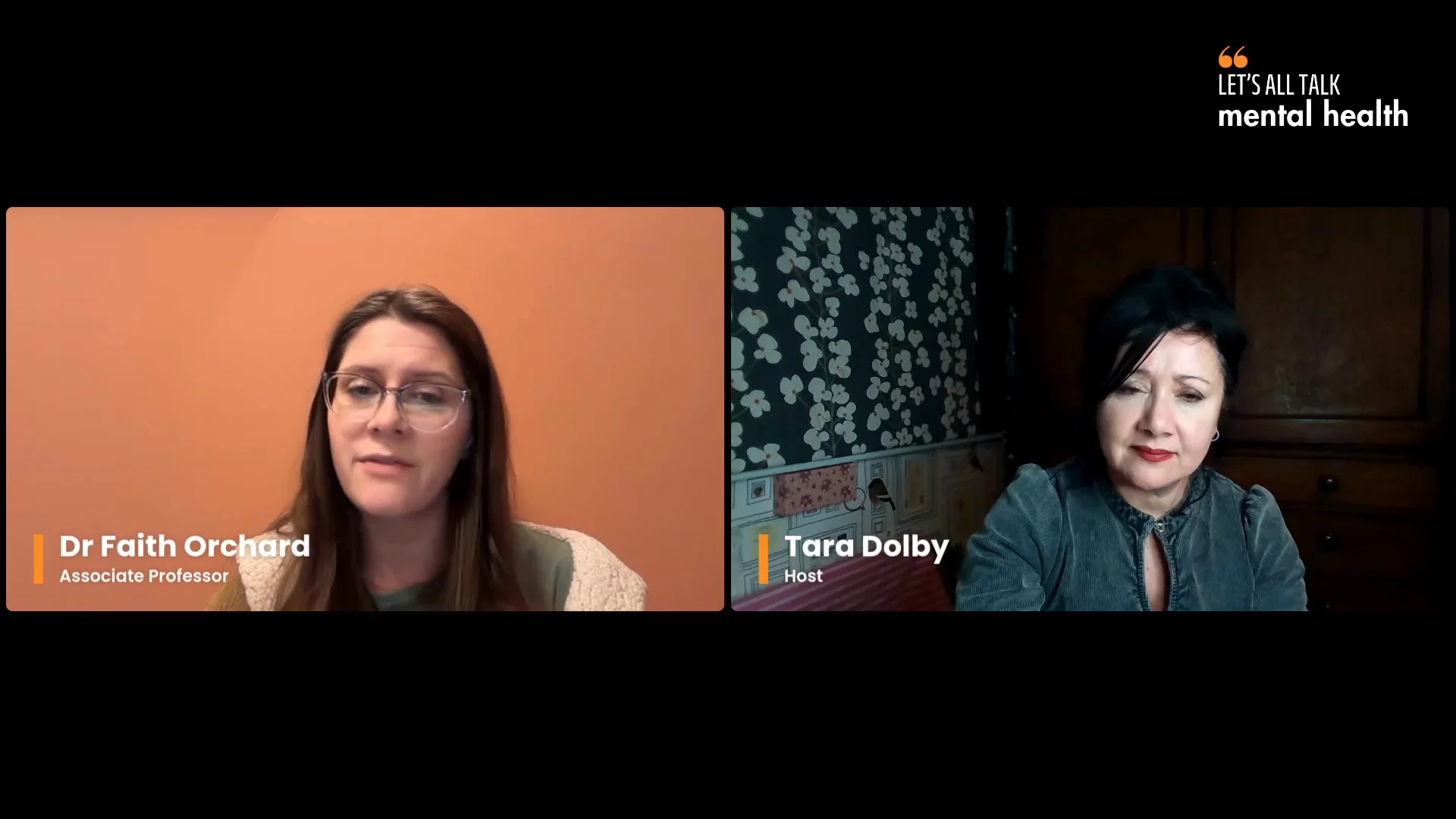
Let's All Talk Mental Health
59:44
Teenagers today are often running on empty. Early school starts, busy schedules, late-night screen use and a biological shift that pushes sleep later all work against healthy rest. Many teens appear to function day to day, but are quietly accumulating sleep debt that affects mood, learning and wellbeing.
In this session, we’ll explore how much sleep teenagers actually need, why so many aren’t getting enough, and how sleep deprivation can show up in ways that are easily mistaken for motivation, behaviour or mental health issues. We’ll look at what “sleep debt” really means, why it builds so quickly during adolescence, and how neurodiversity can make sleep even more complex. The session will also share realistic, practical steps parents can take to support healthier sleep patterns — even when biology and busy lives seem to be working against them.
Discussion Points
- Why teenage brains are biologically wired to fall asleep later
- How early starts, screens and packed schedules disrupt sleep
- What sleep debt is, how it builds up, and why teens are especially vulnerable
- Signs a teen may not be getting enough sleep (beyond “being tired”)
- The impact of poor sleep on mood, focus, memory and academic progress
- How neurodiversity (including ADHD and anxiety) can affect sleep patterns
- The link between sleep deprivation and emotional regulation, motivation and stress
- Practical ways parents can support better sleep without constant conflict
Takeaways for Parents and Educators
- A clearer understanding of why teens struggle with sleep
- Greater confidence in recognising when tiredness is affecting wellbeing or learning
- Insight into how sleep loss can mimic or worsen emotional and behavioural challenges
- Practical, achievable strategies to support healthier sleep habits
- Reassurance that small changes can make a difference over time
Speaker

Faith Orchard
Dr
Dr Faith Orchard, is a Research Psychologist and Lecturer in the School of Psychology at the University of Sussex with a special interest in developing our understanding of factors involved in adolescent depression, including negative thinking patterns and sleep disturbances. Faith is also a co-author of the recent paper ‘Sleep’s role in the development and resolution of adolescent depression’.

Tired, Wired and Falling Behind – The Truth About Teen Sleep
59:44