
From Risk to Remedy: Using technology to power credible action
Diginex
30:26
An introduction to Diginex's Risk-to-Remedy methodology: how organisations can systematically identify human rights and supply chain risks, verify them through evidence, and build effective remediation systems that drive accountability, prevention and continuous improvement.
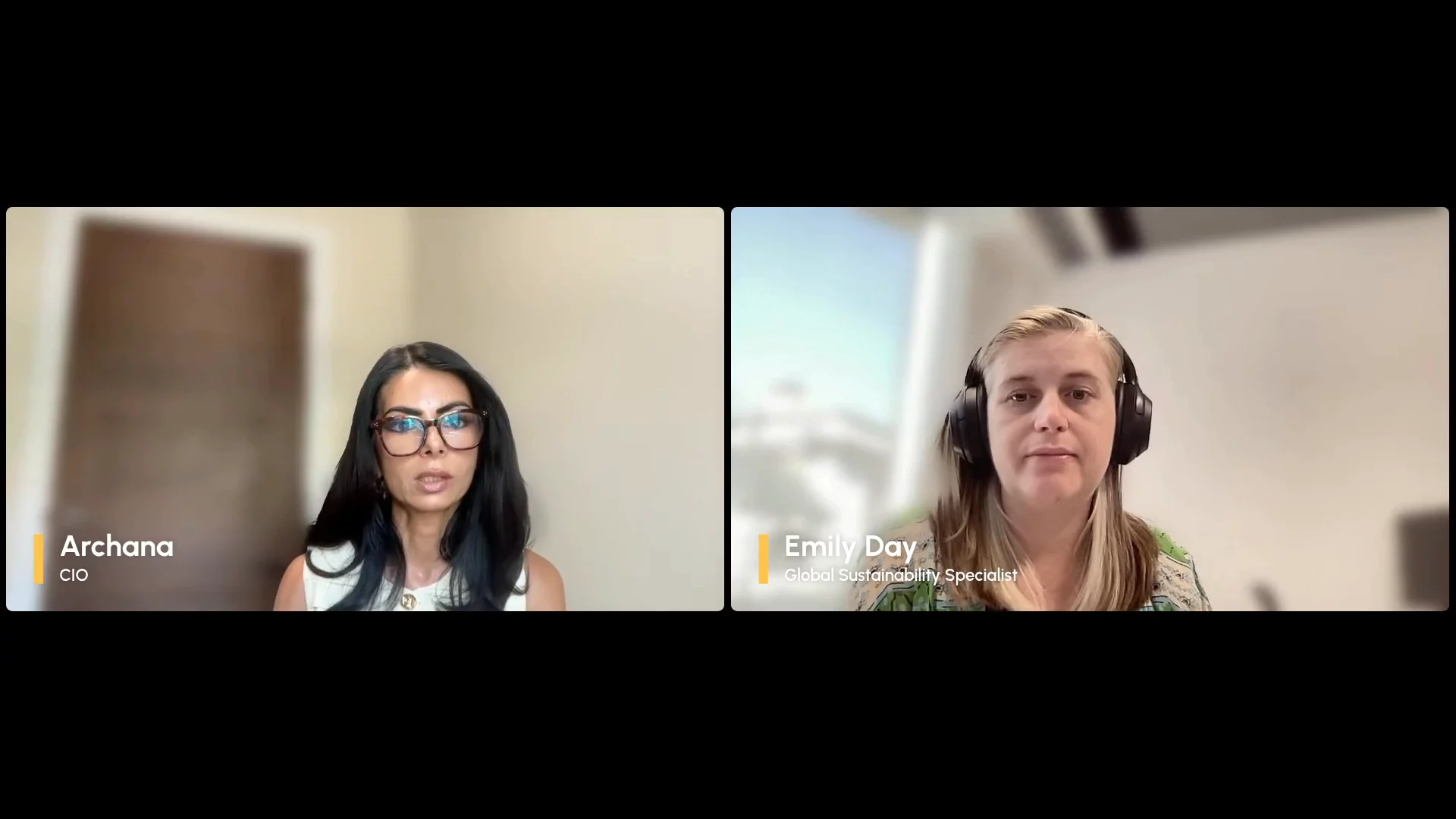
In this final session, Archana Kotecha, Diginex's Chief Impact Officer, along with Emily Day, Diginex's Global Sustainability Specialist, explore how organisations can move beyond risk identification and build effective systems for response, remediation and prevention.
Drawing on practical examples from global supply chains, the session will examine how businesses can verify risks through multiple sources of evidence, prioritise response efforts, and design remediation processes that address harm while strengthening long-term resilience. The discussion will also explore the role of worker voice, grievance mechanisms, investigations, stakeholder engagement and supplier relationships in creating effective due diligence systems.
Introducing Diginex's Risk-to-Remedy methodology, the session will demonstrate how organisations can connect risk identification, evidence gathering, remediation and prevention into a coherent framework for action. Participants will gain practical insights into building systems that not only satisfy evolving regulatory and investor expectations, but also strengthen accountability, improve outcomes for workers, and support continuous improvement across supply chains.
Speakers

Archana Kotecha
Chief Impact Officer - Diginex
Archana is Diginex's Chief Impact Officer. She founded The Remedy Project, acquired by Diginex in January 2026, and leads human rights and supply chain due diligence practice, bringing together deep regulatory expertise, frontline experience across global supply chains and a track record of helping organisations build compliance frameworks that hold up under real-world pressure. A UK-qualified barrister, CEDR-accredited mediator, Archana has over 18 years of experience advising multinational corporations, institutional investors, governments, and UN agencies on translating sustainability commitments into operational practice. Her work focuses on moving companies from reactive compliance toward more proactive, prevention-oriented approaches to supply chain risk. Archana regularly engages with governments, industry initiatives, and international institutions on forced labour and human rights due diligence frameworks, including as a member of the European Commission’s Informal Expert Group on Forced Labour, Steering Committee Member of the Responsible Labour Initiative (RLI) under the Responsible Business Alliance, and Alternative Legal Expert to the UN intergovernmental Working Group on Business and Human Rights.
She has advised organisations across sectors including electronics, apparel, agribusiness, retail, and financial services, with a particular focus on worker-centred remediation and responsible supply chain governance.

Emily Day
Global Sustainability Specialist
Emily Day is a human rights and social due diligence specialist with nine years’ experience helping organisations strengthen accountability across global supply chains. She works at the intersection of human rights, technology, and supply chain risk, advising clients on practical, scalable approaches to due diligence, remediation, and responsible sourcing.
Emily has led human rights risk assessments, impact assessments, capacity-building training, and stakeholder engagement across FMCG, garments, agriculture, extractives, oil and gas, ICT, financial services, and public procurement. As a social scientist at heart, she is especially interested in how businesses can use data and digital tools to build more credible and effective human rights programmes.
Replays
See all
From Risk to Remedy: Using technology to power credible action
30:26